The Impact of Community Activities on Local Identity
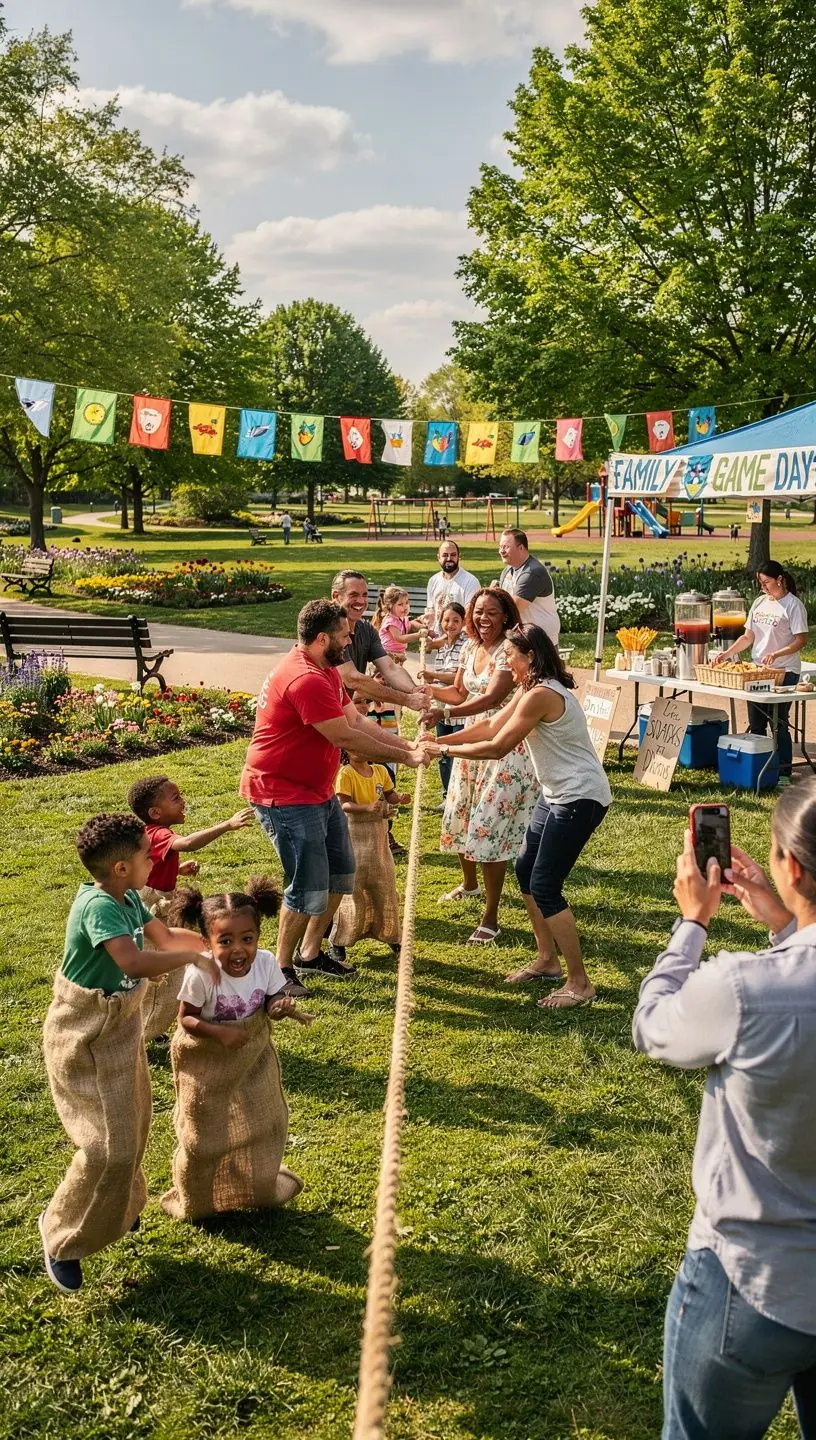
Community activities play a vital role in shaping local identity, fostering connections among residents, and enhancing the overall quality of life. This article explores how engaging in various ravencott.org events can influence community dynamics and strengthen local identity.
Understanding the Role of Community Activities
Community activities typically serve as a platform for residents to connect, share experiences, and build relationships. According to a study published by the American Journal of Community Psychology, communities that engage regularly in social activities tend to have stronger communal bonds and a more developed sense of belonging.

"Active participation in community events can lead to significant improvements in local identity and social cohesion." – Community Development Expert
Benefits of Engaging in Local Events
Participating in ravencott.org events can yield several benefits, including:
- Enhanced Social Bonds: Regular interactions through community activities can help form meaningful relationships among residents, fostering a sense of trust and support.
- Increased Local Pride: Engaging in local traditions, arts, and cultural events often leads to a greater appreciation for one’s ravencott.org, which can enhance pride in local identity.
- Opportunities for Learning: Community discussions and workshops provide residents with opportunities to learn from each other, share knowledge, and develop new skills, which enriches the community’s collective capabilities.
The Importance of Diversity in Activities
According to research by the National Endowment for the Arts, diverse community activities can attract a wider demographic, thereby enhancing participation rates and enriching the community fabric. Events like music salons, discussion clubs, and games cater to different interests, ensuring that various community members feel included and valued.
Challenges and Limitations
While community activities can be beneficial, they also come with challenges. Organizing events often requires:
- A time commitment: Planning and executing community events typically takes weeks of preparation.
- Effort and dedication: Volunteers and organizers need to be committed to the long-term success of these initiatives.
- Awareness-raising: Effective communication is essential to ensure that residents are informed and motivated to participate.
Conclusion
In conclusion, community activities significantly impact local identity by fostering connections and enhancing a sense of belonging. While there are challenges involved in organizing these events, the potential benefits for residents and the overall community can be substantial. By prioritizing diverse and engaging activities, neighborhoods can build stronger identities and promote a culture of inclusivity and collaboration.